The Little Country That Said ‘No’ to War
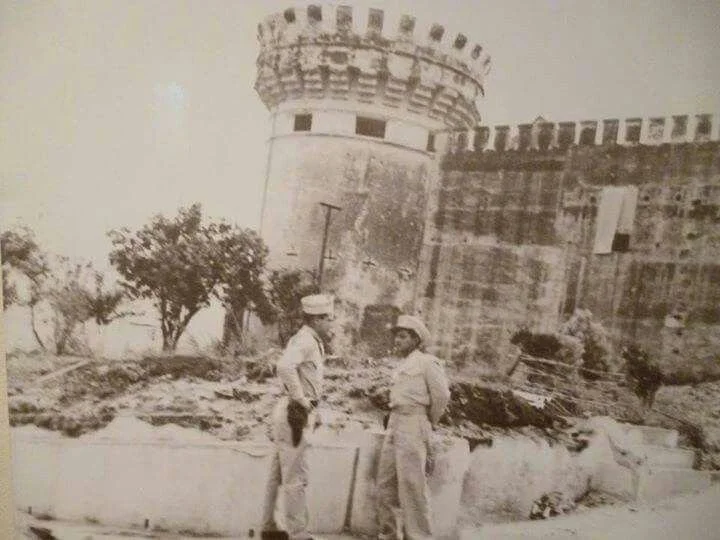
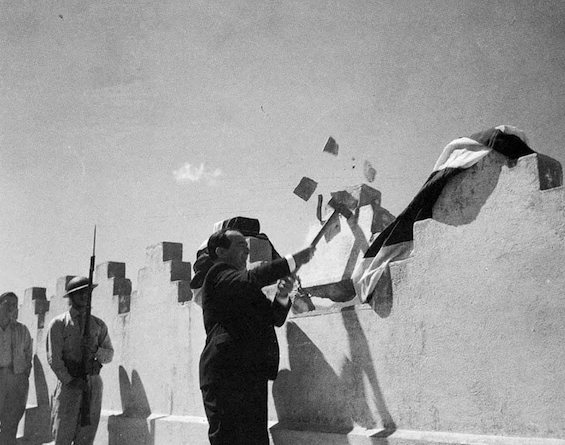
SAN JOSE, COSTA RICA — DEC. 1, 1948 — Shouldering arms, several soldiers lead the new president to the Bellavista Barracks. There are the usual speeches, calls to patriotism in the wake of the recent civil war. Then the president lifts a sledgehammer and smashes the barracks wall.
“We will never again have an army,” José Figueres Ferrer declares. “The army will be replaced by schools.”
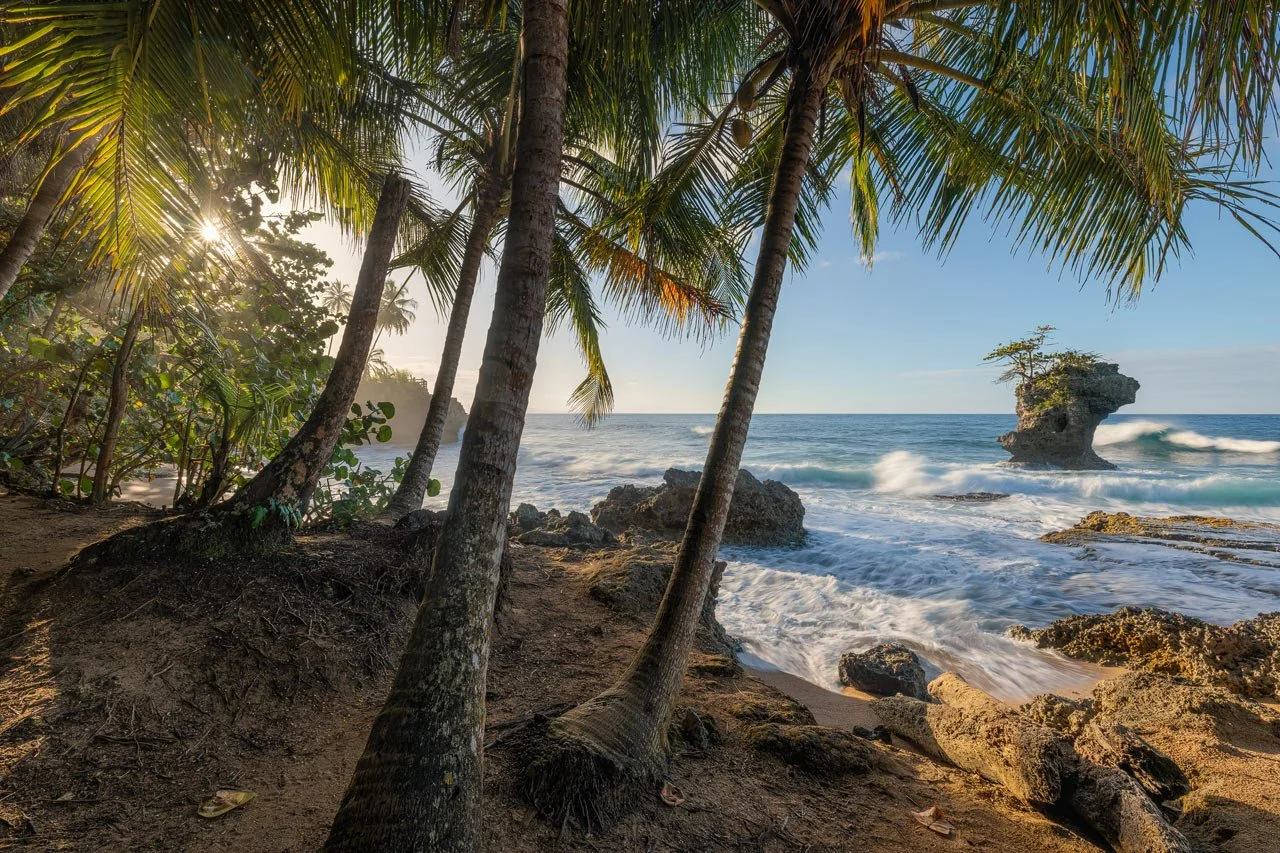
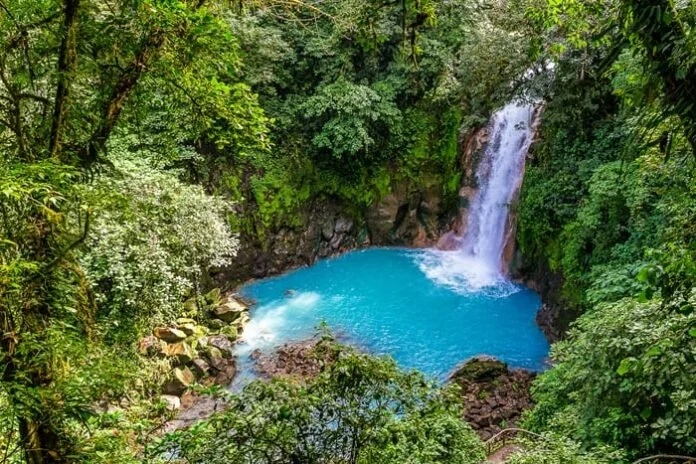
Some two million annual tourists know Costa Rica as a garden, a playground, a nature documentary unfolding in real time. With gorgeous beaches and rain forests, fluffy skies and balmy weather, the tiny Central American country seems a paradise in a perpetually troubled region.


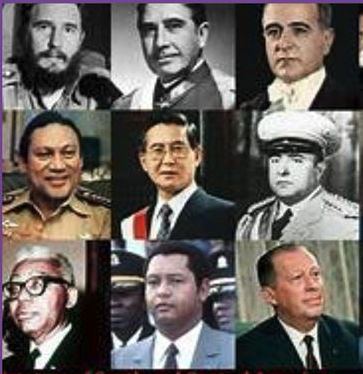
But beyond nature lies another source of pride. Seventy-seven years ago tomorrow, Costa Rica became the first country in history to abolish its army. Ever since, while neighboring Nicaragua and Panama have suffered military coups and dictatorships, Costa Rica has lived free of militarism’s double-edged sword.
“Our children walk with books under their arms rather than guns on their shoulders,” said former president and Nobel Peace laureate Oscar Arias. “We are an unarmed people, whose children have never seen a fighter or a tank or a warship.”
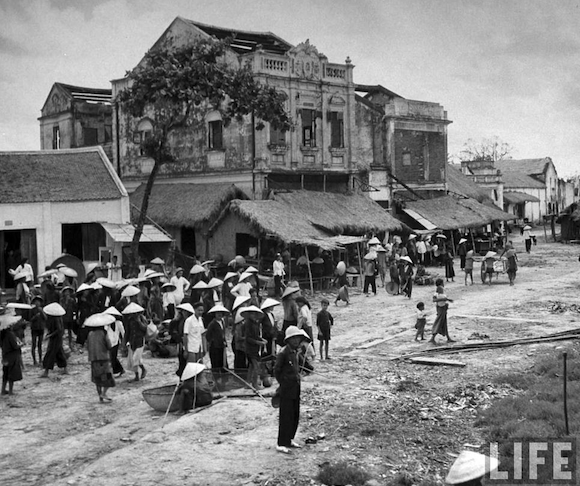
In December 1948, the dogs of war were on the prowl. War raged in the new nation of Israel. Vietnamese rebels fought the French. Civil wars tore apart China, Greece, and Burma. But with one blow of a sledgehammer, Costa Rica said “No!” to war. The blow had been festering for a decade.
Their military had always been small, but Ticos, as Costa Ricans call themselves, had not been spared the anguish of armies. A general’s coup in 1917 caused a counter coup. Border skirmishes flared and faded. Then throughout the 1940s, political unrest led to soldiers in the streets of San Jose.
Finally, in 1948, Congress annulled a close election, leaving the losing party clinging to power. That’s when José Figures saw red.
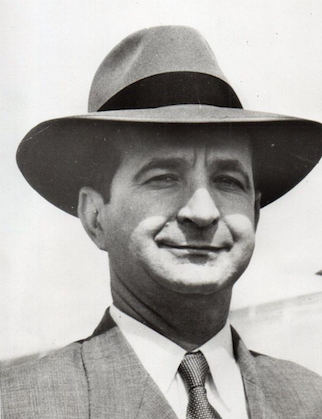
Figueres was a most unusual businessman. After studying at M.I.T., he returned to Costa Rica to grow coffee and run a rope-making factory. Widely read and socially conscious, Figueres gave his workers full health benefits, decent wages, and shorter hours. Grateful employees called their boss “Don Pepe.” The nation would soon know the name.
Figueres remained on the outskirts of politics until 1942 when he went on radio to denounce anti-democratic moves by President Rafael Calderón. Arrested and exiled in Mexico, Figueres began to envision a new Central America, free of tinpot dictators.
While in Mexico, Figueres aligned himself with the Caribbean Legion, some 700 soldiers gathered in Guatemala to plot the overthrow of Rafael Trujillo in the Dominican Republic. In 1947, the legion’s coup against Trujillo was crushed but back in Costa Rica, Figueres maintained his ties with the rebels.
The following March, when the same leader who had exiled him refused to accept electoral defeat, Figueres brought the full Caribbean Legion to Costa Rica’s remote Zona Sur. There he renamed them the National Liberation Army, and marched them towards San Jose.
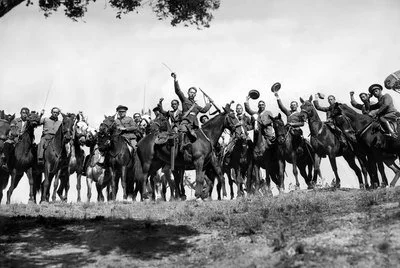
The Costa Rican Civil War, when compared to ours or others, might seem a tempest in a teapot. But as Figueres’ faction captured small towns and cities, 2,000 people died in just six weeks. “My uncle Jacinto was riddled with bullets,” one veteran recalled. “When there is war, everyone suffers; you live among bullets and death. It is horrible.”
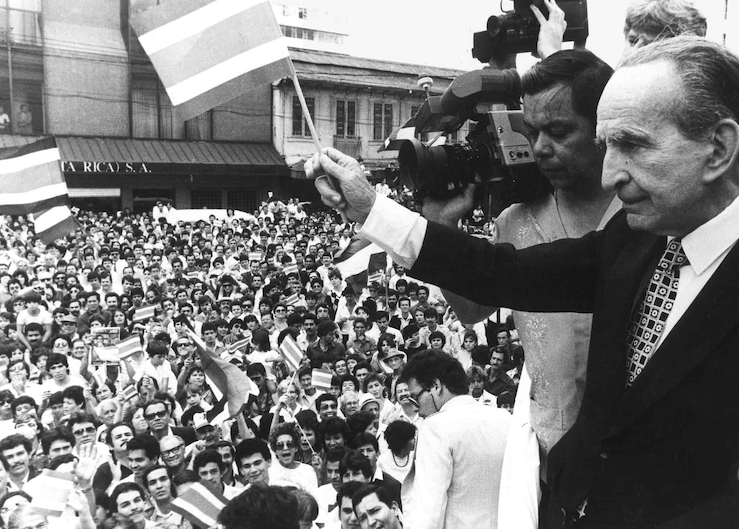
In April, when the central city of Cartago fell, the government began negotiations. And on May 1, coffee grower, M.I.T. grad, and surely the most liberal leader in Latin American history became president of Costa Rica. Figueres set about remaking his country into a European-style social democracy.
Figueres soon convened a Constitutional Assembly. That fall, a new 75-page constitution included: guaranteed minimum wage and 40-hour workweek, the first full suffrage granted to women and blacks, and various social welfare programs.
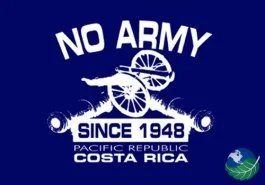
Many countries had gone this far, but the constitution’s Decree 249 was a first. Se proscribe el Ejército como institución permanente,’ it declared. “The Army, as an institution, is abolished.” On Dec. 1, now a national holiday, Figueres and his sledgehammer made the move official.

"The future of mankind cannot include armed forces,” Figueres announced. “Police, yes, because people are imperfect." And ever since, Costa Rica has employed a national police force divided into land, sea, and air divisions, but no army.
Hardly defenseless, Ticos depend on assorted treaties for protection. The Organization of American States, agreements with the U.S., and a general amistad with neighbors has kept the peace. But as I can attest from having worked there in the Peace Corps, the peace in Costa Rica is kept by a remarkably relaxed, open, and peaceful people. Nothing seems to bother them for long. The country’s unofficial motto — puravida — is more than a phrase on a tote bag.
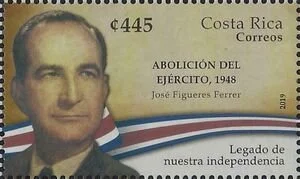
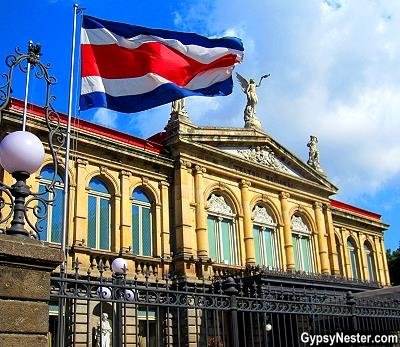
Having wrought revolution, Don Pepe Figueres stepped down in 1949, handing power to the president chosen by the people a year before. Figueres returned to politics, however, elected to the presidency in 1953 and again in 1970. Other presidents have come and gone, tightening or loosening the social democracy that Figueres set in motion, but no one has ever suggested a standing army. And the old Bellevista Barracks is now Costa Rica’s Museo Nacional.

“God save us from an army,” said one veteran. “Our beloved country may have many problems, but we are getting by. Living with an army means living in fear—fear of being killed for thinking differently.”
In 2017, UNESCO enshrined Costa Rica’s Decree 249 — Se proscribe el Ejército como institución permanente — in its Memory of the World. Following Costa Rica’s lead, six other small nations — Dominica, Grenada, Saint Lucia, Saint Vincent and the Grenadines, Haiti, and Panama — have abolished their armies.
“This is an exemplary little country,” Jose Figueres said in 1986, four years before his death. “We are the example for Latin America. In the next century, maybe everyone will be like us.”